Home Decor Trends 2026: The Ultimate Guide to Stylish, Modern, and Meaningful Interiors
As 2026 unfolds, interior design continues to evolve in exciting ways. This year’s home decor trends reflect deeper desires for comfort, identity, sustainability, and soul-fulfilling spaces. Gone are the days of sterile minimalism and generic showrooms — 2026 is all about thoughtful personalization, natural materials, tactile luxury, and bold yet harmonious expression. If you’re planning a refresh, renovation, or redesign this year, these trends will help your home feel modern, meaningful, and enduring.
Trend 1: Personalized Interiors That Tell Your Story
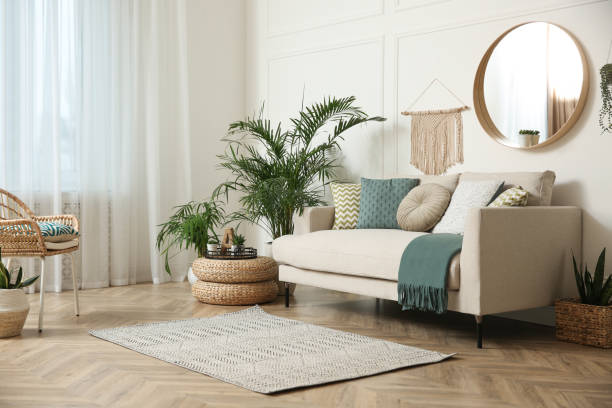
One of the strongest movements in home decor this year is personalization — decorating with intention so that interiors reflect who you are, not just what’s trendy. Homeowners are increasingly choosing décor that communicates personal history, passions, and lifestyle. This includes custom artwork, bespoke textiles, curated collections, heirlooms, and meaningful objects displayed prominently as part of everyday design. That personal narrative is becoming central to how spaces are styled.
How to Try This Trend
- Curate shelves or wall displays with photos, souvenirs, or handcrafted items.
- Commission or create custom art pieces — murals, portraits, or abstract works.
- Showcase vintage pieces from different generations.
Trend 2: Warm Minimalism and Earthy Color Palettes
While minimalism isn’t disappearing, it’s evolving into a warmer, softer version. This warm minimalism prioritizes serene, light-filled spaces with natural textures and soft earth tones such as terracotta, caramel, taupe, olive green, and muted blues. These palettes create a sense of calm and rootedness, replacing harsh whites and cold greys with inviting warmth.
Key Features
- Warm neutrals as base colors.
- Subtle contrast through rich natural materials and layered lighting.
- Softer edges, fabrics, and tactile textiles.
Trend 3: Neo-Deco and Modern Heritage Style
Classic aesthetics are returning with a contemporary twist. Neo-Deco combines geometric patterns, lush materials, and glamorous finishes inspired by Art Deco of the 1920s but reimagined for modern living. Think bold geometric wallpapers, fluted furniture, luxe metals, and velvet upholstery — all balanced with functionality and modern tastes.
Similarly, Heritage Maximalism — a bold, layered approach combining nostalgia and history — is gaining traction. This style celebrates rich prints, patterns, textures, and layers that feel curated, not chaotic.
Trend 4: Integrating Nature — Natural Materials & Sustainable Design
Sustainability is more than a buzzword — it’s now a design requirement. In 2026, natural materials take center stage, with wood, stone, rattan, brick, clay, and organic textiles dominating decor. These materials not only add tactile warmth and authenticity but also align with environmental values.
Examples of Natural Materials
- Reclaimed wood furniture
- Textured linen and hemp textiles
- Hand-finished ceramics and pottery
- Stone or terracotta floor tiles
Sustainability also extends to durable pieces meant to last — quality over quantity — replacing fast-fashion decor with investment pieces that age gracefully.
Trend 5: Sculptural and Organic Forms
Hard, straight lines are giving way to soft, sculptural shapes that feel more human, fluid, and inviting. Furniture and architectural elements in curving silhouettes create movement, harmony, and visual softness. Whether it’s a rounded sofa, curved table, arched doorframe, or sculptural lighting, these forms promote both comfort and visual intrigue.
How to Use Organic Shapes
- Add a curved accent chair or rounded dining table.
- Use arched mirrors and rounded decorative pieces.
- Choose lighting fixtures with sculptural forms.
Trend 6: Statement Lighting as Art
Lighting is no longer just functional — it’s becoming a focal art piece. Expect to see sculptural pendants, dramatic chandeliers, and mixed materials that anchor a room’s aesthetic. Designers are turning light fixtures into visual sculptures that enhance both mood and aesthetics.
Tips for Implementation
- Use layered lighting combinations — ambient, task, and accent.
- Mix metal finishes and shapes for visual interest.
- Highlight architectural features with subtle uplighting.
Trend 7: Rich Textiles and Tactile Comfort
In 2026, textiles play a starring role in interior comfort and style. Designers are moving beyond plain fabrics toward deep texture and richness — like mohair, alpaca, cashmere, and embroidered textiles — turning sofas, throws, and pillows into tactile experiences that contribute to ambiance.
Trend Textiles
- Deep pile rugs and woven accents
- Sumptuous draperies
- Multi-textured throw blankets and cushions
Trend 8: Bold Wallpaper and Art-Inspired Walls
Wallpaper is undergoing a renaissance, but it’s no longer just about patterns — it’s about immersive art murals and bold designs that create impact. Scenic landscapes, painterly panoramas, and large-scale abstract murals are increasingly popular for creating statement walls.
Idea Starters
- A mural-style accent wall in the living room.
- Hand-painted or brushstroke effects for a personalized look.
- Geometric or botanical large-scale prints.
Trend 9: Deep Dark Colors & Saturated Hues
Bold, saturated hues — especially deep blues, olive greens, and rich earth tones — are trending in walls, furniture, cabinetry, and decor. These colors add depth, intimacy, and personality to spaces. Deep blues in particular are becoming a modern alternative to black, offering drama without harshness.
Trend 10: Curated Maximalism Over Harsh Minimalism
Minimalism is transforming. Rather than stark or clinical interiors, 2026 favors a curated maximalism — a thoughtful, layered style that balances personality, color, patterns, and vintage or meaningful pieces. This trend celebrates intentional abundance rather than overcrowded decor.
Trend 11: Cozy “Cocooning” Spaces
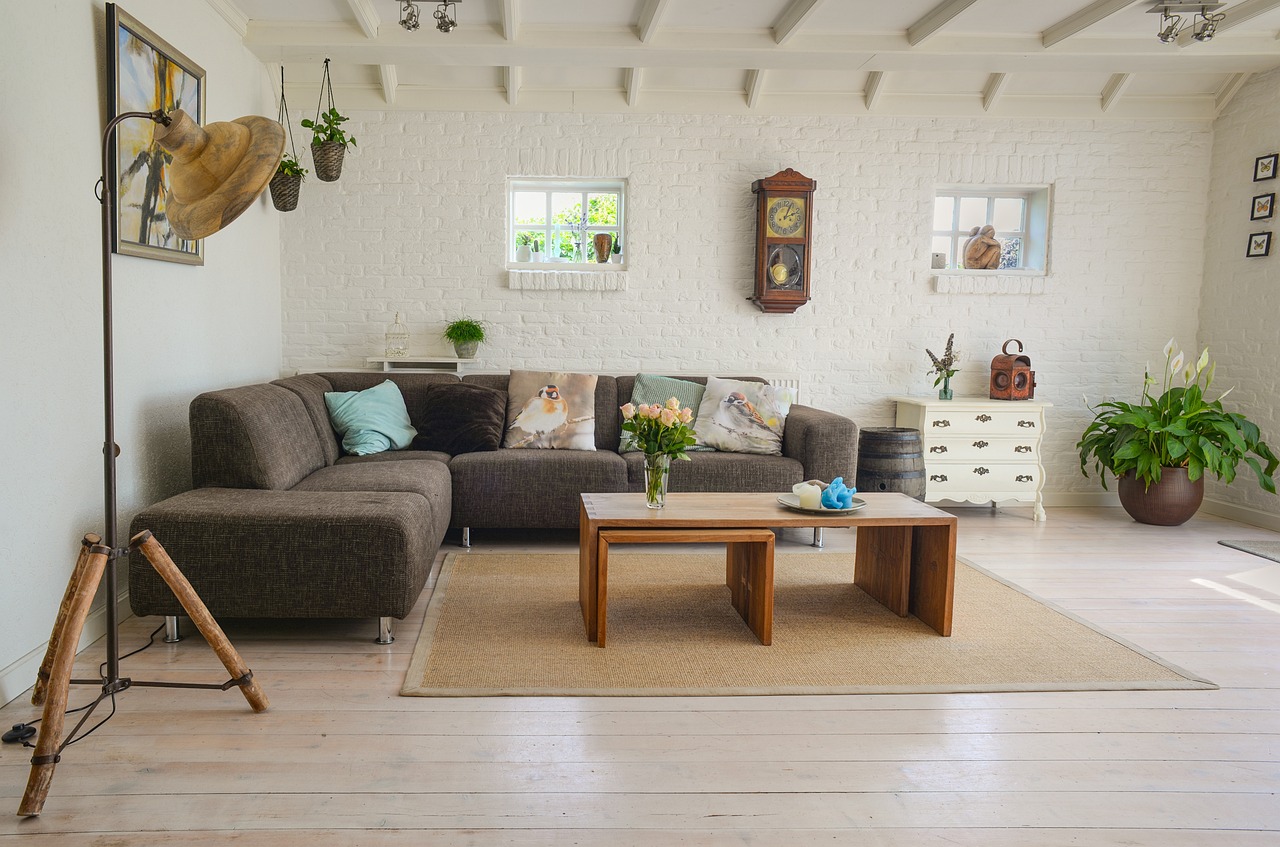
People are making rooms feel more snug and comforting by adding plush textiles, padded seating, and sensory-rich environments that invite relaxation. These “cocoon” spaces often include soft upholstery, neutral yet rich tones, and minimal digital distraction — especially in bedrooms, where tech-free zones are gaining priority.
Trend 12: Vintage & Revival Styles Return
A deeper appreciation for nostalgia is fueling the resurgence of vintage aesthetics like “grandma chic” or grandmillennial style — cozy, layered, and rich in heritage appeal. These trends bring back florals, lace, antique accessories, and traditional textiles — but often combined with contemporary elements to avoid looking outdated.
Trend 13: Mixed Woods and Material Layering
Gone are the days of perfectly matched wood tones. In 2026, designers embrace intentional mismatched woods and layered materials in the same space — mixing light oak with walnut or dark walnut with honey finishes, for example — to add complexity and visual warmth.
Trend 14: Homes as Retreats — Wellness & Calm Interiors
Designers are prioritizing wellbeing — homes are being crafted to nourish body and mind. That means calming colors, natural textures, indoor greenery, quiet corners, and intentional zoning for relaxation and focus. Thoughtful lighting, reduced digital clutter, and sensory comfort are key ingredients in this wellness-oriented trend.
Trend 15: Sustainable and Handmade Decor
Increasingly in 2026, homeowners want pieces with soul and story. Handmade ceramics, artisanal objects, and decor with craftsmanship are not just aesthetic — they represent sustainability and meaning. The focus isn’t merely on new products but on items with heritage, handcrafted beauty, and environmental thoughtfulness.
How to Adopt 2026’s Home Decor Trends
Here are practical ways to bring these trends into your home — without overwhelming your space or budget:
1. Start Small
You don’t need a full renovation to adopt trends. Swap textiles (rugs, pillows), add sculptural lighting, or choose statement art.
2. Mix Old and New
Pair vintage or heirloom pieces with modern furniture to reflect curated maximalism.
3. Invest in Quality
Choose few well-made items (like sofas, lighting, and materials) rather than lots of fast decor.
4. Use Color Intentionally
Deep hues or warm, earthy tones can transform mood. Start with accent walls, then expand.
5. Prioritize Comfort
Make spaces feel cozy with layered textures, organic shapes, and soft lighting.
Final Thoughts: Home Decor Trends
The home decor trends of 2026 are less about rigid aesthetics and more about authentic expression, sensory comfort, environmental awareness, and storytelling. Whether it’s deep colors, woven textiles, personal artwork, natural materials, sculptural forms, or heritage pieces — the goal isn’t to follow trends blindly but to craft spaces that feel like home — beautiful, comfortable, and meaningful.